Diet Plan for Weight Gain: A Simple Desi Meal Plan
By Diet on Demand · Published · 8 min read
You can know exactly what a good meal looks like and still struggle to eat enough of them.
Big plates leave you full too early. Busy days swallow lunch. And the scale barely moves, even when it feels like you've been trying.
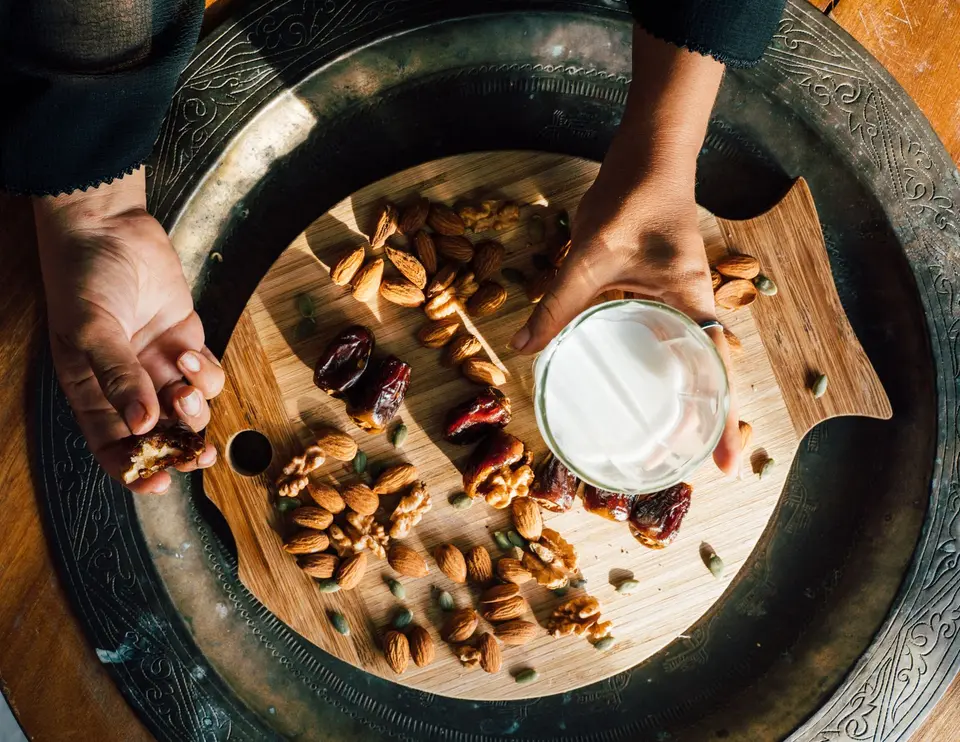
A good diet plan for weight gain fixes that with small, regular extras: 300 to 500 more calories a day than you burn, spread across five or six meals, from food you already enjoy such as eggs, milk, daal, rice, nuts and dates. This guide shows what that looks like on a plate, with a sample desi diet chart you can use today.
This is general information for healthy adults. If you've lost weight without meaning to, or you have a medical condition, start with when weight gain isn't just about food.
How many calories do you need to gain weight?
Start with what your body uses now. The NHS gives average daily guidelines of 2,000 calories for women and 2,500 for men to maintain a healthy weight. Your own number depends on your age, height, activity and body size, so treat those figures as a starting point.
To gain weight, add about 300 to 500 calories a day on top. The NHS advice for underweight adults gives the same range and suggests gaining gradually. From the averages above, that works out at roughly 2,300 to 2,500 calories a day for a woman and 2,800 to 3,000 for a man.
A calorie is simply a unit of energy in food, and eating more of it than your body uses is called a calorie surplus. That surplus is the whole mechanism behind gaining weight.
You can eat more than that. But a bigger surplus is harder to keep up week after week, and a steady one you can follow beats an ambitious one you abandon in ten days.
What should you eat to gain weight?
Choose foods that pack plenty of energy into a small portion, and build each meal around protein.
- Full-cream milk and yoghurt. Easy calories you can drink or add to breakfast.
- Eggs. Protein that fits any meal of the day.
- Ghee, butter and oil. Fat has more than twice the calories per gram of protein or carbohydrate, so a teaspoon on roti or rice adds energy without adding bulk.
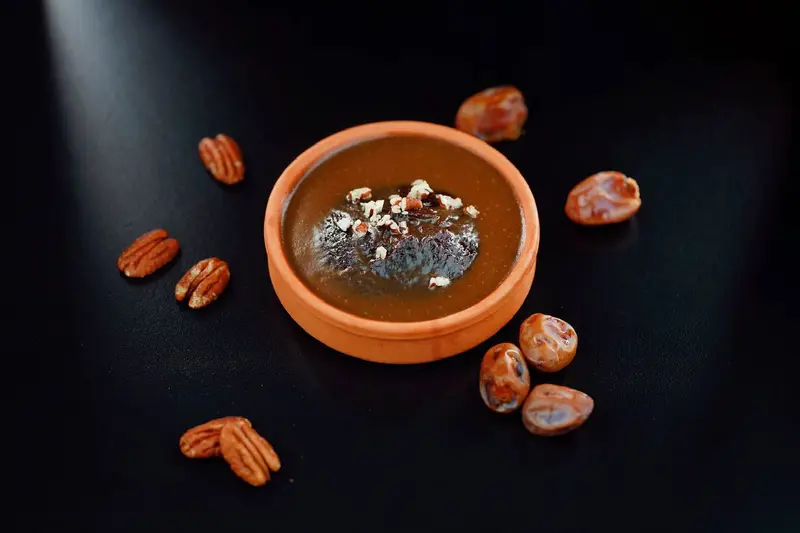
- Nuts, seeds and dates. A handful of almonds, walnuts or dates is a snack you can eat anywhere.
- Daal, chickpeas and beans. Protein and carbohydrate in one bowl.
- Rice, roti and potatoes. Your everyday carbohydrates. A second portion is often easier than a new food.
- Chicken, fish, beef or mutton. The main protein for lunch and dinner.
- Bananas, mangoes and dried fruit. Fruit with more calories per bite.
The NHS suggests adding cheese, nuts and seeds to meals, having a high-calorie drink such as a milkshake between meals, and choosing easy snacks such as yoghurt or rice pudding. It also advises against relying on chocolate, cakes and sugary drinks. Whole foods bring protein, vitamins and minerals along with the calories.
A sample desi diet chart for weight gain (about 2,800 calories)
A plan can look excellent on paper and still not fit the person following it. Imagine breakfast at seven, lunch at one and dinner at seven, all neatly arranged, for someone who doesn't finish work until nine. Our view is that a meal plan you can't follow is just a nicely formatted document, so move the meals to when you can actually eat them.
This sample day suits an adult man starting from the NHS average of 2,500 calories, plus about 300. The calorie figures are approximate. They change with portion size and the amount of oil in the pan, and they're an example rather than a target that suits everyone.
| Meal | What to eat | Approx. calories |
|---|---|---|
| Breakfast (8:00 am) | 2 eggs, 1 paratha cooked with 1 tsp ghee, 1 glass full-cream milk | 550 |
| Mid-morning (11:00 am) | Banana milkshake made with full-cream milk and 1 tbsp peanut butter | 350 |
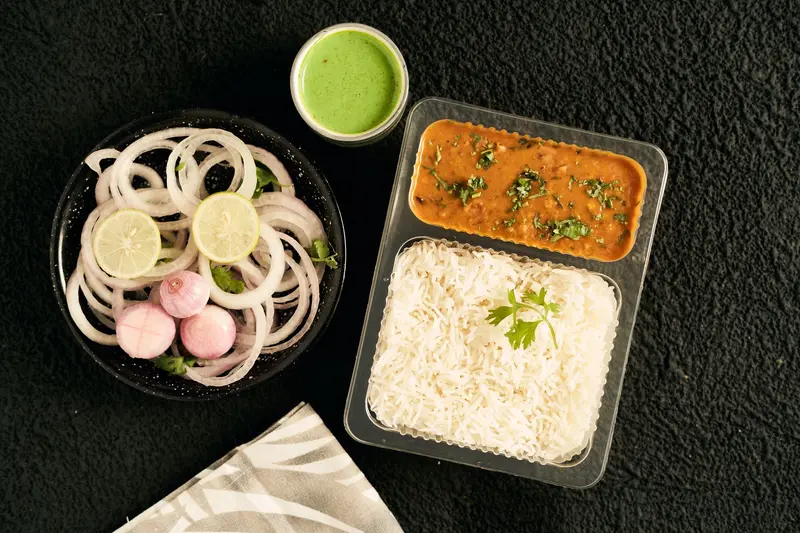
| Lunch (1:30 pm) | 1 cup cooked rice, 150 g chicken curry, 1 cup daal, salad | 700 |
| Evening (5:00 pm) | A handful of nuts (about 30 g), 3 dates, tea with full-cream milk | 300 |
| Dinner (8:30 pm) | 2 rotis, 150 g meat or fish curry, 1 cup vegetables cooked in oil, half a cup of yoghurt | 700 |
| Bedtime (10:30 pm) | 1 glass full-cream milk, 2 dates | 200 |
If you're starting from the 2,000-calorie average, aim for 2,300 to 2,500. Leave out the bedtime milk and dates, and have one roti at dinner instead of two. That brings the day to about 2,500 calories and keeps every other meal the same.
Can you gain 10 kg? What a realistic timeline looks like
Plenty of people search for a "10 kg weight gain diet chart", so here's the honest version: it takes months, not weeks.
A surplus of 300 to 500 calories a day adds roughly a quarter to half a kilogram a week, using the usual rule of thumb that a kilogram of body weight is about 7,700 calories. At that pace, 10 kg comes to around five to nine months. Treat that as an estimate, not a promise. Bodies don't always follow the arithmetic, so weigh yourself once a week and look at the trend over four weeks.
The same maths explains why a plan promising 3 kg in six days isn't realistic. It would need around 3,800 extra calories every day, which is neither comfortable nor something to aim for.

Habits that make a weight gain diet easier to follow
- Eat smaller meals more often. The NHS suggests this. Five or six meals and snacks is easier than three large plates.
- Save drinks for between meals. The NHS advises against filling up on drinks before you eat. A milkshake mid-morning works better than one at lunchtime.
- Add some strength training. The NHS suggests building muscle with strength training or yoga, so that part of what you gain is muscle.
- Keep the fruit and vegetables. Gaining weight doesn't mean dropping them. The WHO says everyone over 10 years of age should aim for at least 400 grams of fruit and vegetables a day.
- Make snacks effortless. Boiled eggs in the fridge and dates on the counter need no decisions at 4 pm.
- Weigh yourself weekly. Same scale, same time of day. One number a week is plenty.

When weight gain isn't just about food
If you eat well and nothing changes, or you've lost weight without trying, food may not be the cause.
The NHS says to speak to a GP if you have sudden weight loss, lose weight without changing your diet or exercise, or use control of food to cope with feelings or other situations. Being underweight can also mean missing out on vitamins and minerals, which can lead to problems such as a weak immune system and bone fractures.
Please don't copy the sample chart as it stands if you're pregnant, or managing diabetes, kidney disease or another medical condition. Ask your doctor or a registered dietitian first. A general diet plan isn't a substitute for medical care, so any advice from your doctor comes first. Tell us about it and we'll build your plan around it.
Common mistakes, and why they're easy to make
- Skipping meals. A skipped 700-calorie lunch wipes out a whole day's surplus of 300 to 500 calories.
- Relying on sweets and fizzy drinks. They add calories, but not much protein, vitamins or minerals.
- Changing everything at once. Add one extra snack this week and another next week.
- Eating huge meals. Smaller, regular meals are easier to repeat.
- Expecting quick results. A quarter to half a kilogram is a good week.
A good place to start
You don't need every meal figured out forever. Knowing what you're having tomorrow is a perfectly good start.
If you'd rather not work out the numbers alone, Diet on Demand can help. We've been around since 2016 and have served 2,470 clients. We assess each customer first, and the plan is built around what we learn, including any advice from your doctor. You can see what's included in our diet plans and how getting started works, or browse more guides in the Nutrition Journal. And if your goal is the opposite, our diet plan for weight loss covers it.
Some days will go to plan. Others, dinner will be whatever's in the fridge. Both count.
A few things you might be wondering
How can I gain weight fast?
There's no safe shortcut. Add 300 to 500 calories a day, eat five or six times a day and check your weight once a week. Trying to gain faster than about half a kilogram a week means eating far more than is comfortable.
What should I eat to gain weight?
Build meals around protein and add calorie-dense foods: eggs, full-cream milk, yoghurt, daal, rice, roti with ghee, nuts, dates and bananas. Whole foods bring protein, vitamins and minerals along with the calories.
Which fruit is best for weight gain?
No single fruit is best, but bananas, mangoes and dried fruit such as dates and raisins carry more calories per portion than most fresh fruit. Pair them with milk, yoghurt or nuts for an easy calorie-rich snack.
What is a good breakfast for weight gain?
Two eggs, a paratha cooked with a little ghee and a glass of full-cream milk make a breakfast of roughly 550 calories. Porridge cooked in full-cream milk with nuts and dates is another easy option.
How many meals a day should I eat to gain weight?
Many people find five or six smaller meals and snacks easier than three large ones, which is why the NHS suggests eating smaller meals more often. Choose a number you can keep up on an ordinary Thursday.
How long does it take to gain 10 kg?
By simple arithmetic, a steady surplus of 300 to 500 calories a day comes to roughly five to nine months. That's an estimate, not a promise. Bodies vary, so look at your weight over four weeks at a time rather than day to day.
Sources and further reading
- NHS: Healthy ways to gain weight — extra 300 to 500 calories a day, food tips, and when to speak to a GP.
- NHS: Calories and weight loss — average daily calorie guidelines of 2,000 for women and 2,500 for men.
- WHO: Healthy diet fact sheet — at least 400 grams of fruit and vegetables a day.
This article is general nutrition information, not medical advice. Calorie figures are approximate and vary with portion size and cooking oil. Speak to your doctor or a registered dietitian before changing your diet, especially if you are pregnant, breastfeeding, under 18, or managing a medical condition.