Diet Plan for Weight Loss: A Practical Desi Meal Plan
By Diet on Demand · Published · 9 min read
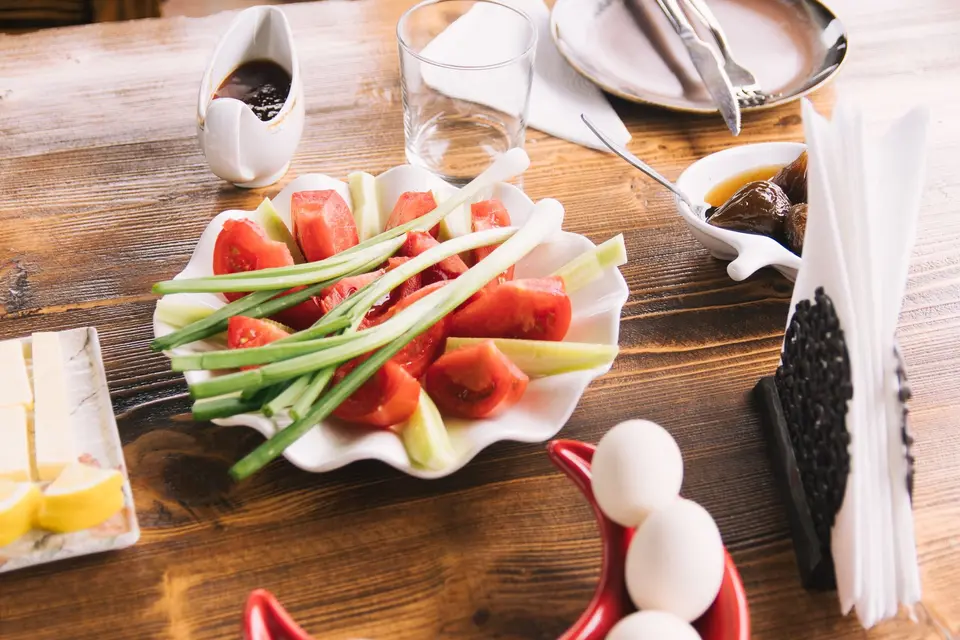
The vegetables are bought and the recipes are saved. Then Wednesday arrives, you're hungry, and the fridge offers no suggestions.
If you've decided you'd like to lose weight, a diet plan for weight loss gives you something to come back to. The NHS suggests eating around 600 calories a day less than you burn, which sits inside the pace the CDC describes as steady: about 1 to 2 pounds (roughly 0.5 to 1 kg) a week. Below you'll find the numbers, a sample 1,400-calorie desi diet chart and a 7-day plan that keeps roti, daal and rice on the table.
Weight isn't the only measure of health, and not everyone needs to lose it. If you're not sure whether you should, a doctor can tell you. And if you're pregnant, breastfeeding, under 18 or managing a medical condition, start with when a diet plan isn't the right tool.
How does a weight loss diet plan work?
A calorie is a unit of energy in food. Weight loss comes down to eating fewer calories than your body uses, which is called a calorie deficit. The NHS gives average daily guidelines of 2,000 calories for women and 2,500 for men to maintain a healthy weight, and describes cutting around 600 calories a day as a safe and sustainable way to lose weight.
| Starting point | Maintenance (NHS average) | Weight loss target (about 600 less) |
|---|---|---|
| Women | 2,000 calories | about 1,400 calories |
| Men | 2,500 calories | about 1,900 calories |
Your own numbers depend on your age, height, activity and body size, so treat these as a starting point rather than a target that suits everyone. The NHS also offers a free 12-week plan in its Better Health weight loss guide that lets you set a daily calorie target.
Calories tell you something important about food. They don't tell you everything. Two 400-calorie meals can leave you feeling very different, and a number can't show whether a meal has enough protein or fibre. Use the figures as a guide, and let the plate in the next section do the rest.
On pace, the CDC says people who lose weight gradually, at about 1 to 2 pounds a week, are more likely to keep it off. It also advises against goals such as losing 20 pounds in 2 weeks, and notes that even a 5% reduction in body weight can help. A small, steady start is enough.
What should you eat on a weight loss diet plan?
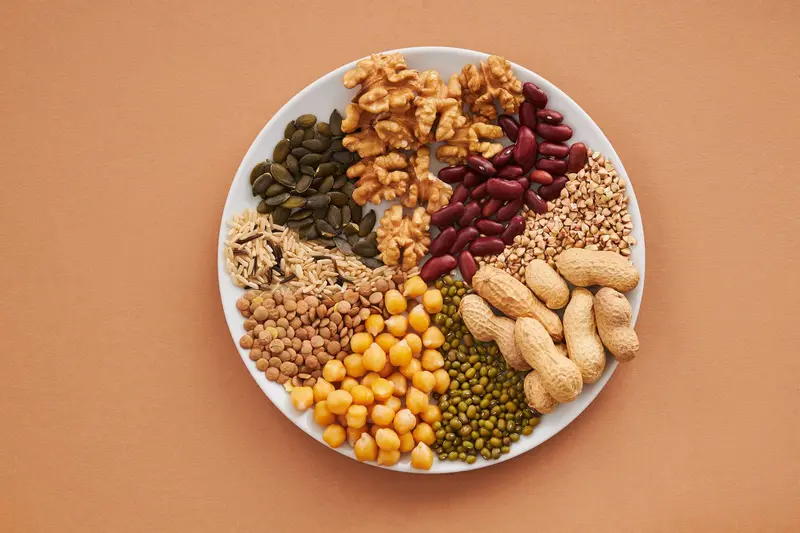
The easiest rule to follow is the plate. Fill half with vegetables or salad, a quarter with protein such as daal, chicken, fish, eggs or yoghurt, and a quarter with roti or rice. The WHO says everyone over 10 years of age should aim for at least 400 grams of fruit and vegetables a day, and half a plate of sabzi and salad gets you most of the way.
Foods to build your meals around
- Daal, chickpeas and beans. Protein and fibre that keep you full.
- Eggs, chicken and fish. Lean protein for lunch and dinner.
- Vegetables and salad. Sabzi, cucumber, tomato, carrots and leafy greens.
- Whole-wheat roti. One small roti at a meal is a reasonable starting point.
- Plain yoghurt and fruit. Easy snacks and a simple way to finish a meal.
Foods worth keeping an eye on
- Oil and ghee. Measuring with a spoon instead of pouring is one of the easiest changes to make.
- Sugary drinks and sweet chai. The WHO says free sugars should be less than 10% of daily energy, about 50 grams or 12 teaspoons on a 2,000-calorie day.
- Fried snacks and mithai. Enjoy them. They just add up quickly, so they're easier to fit in when they're occasional.
- Salt. The WHO recommends adults keep salt under 5 grams a day.
No food is off the menu. A plan is easier to follow when it keeps the foods you enjoy.
A sample 1,400-calorie desi diet chart
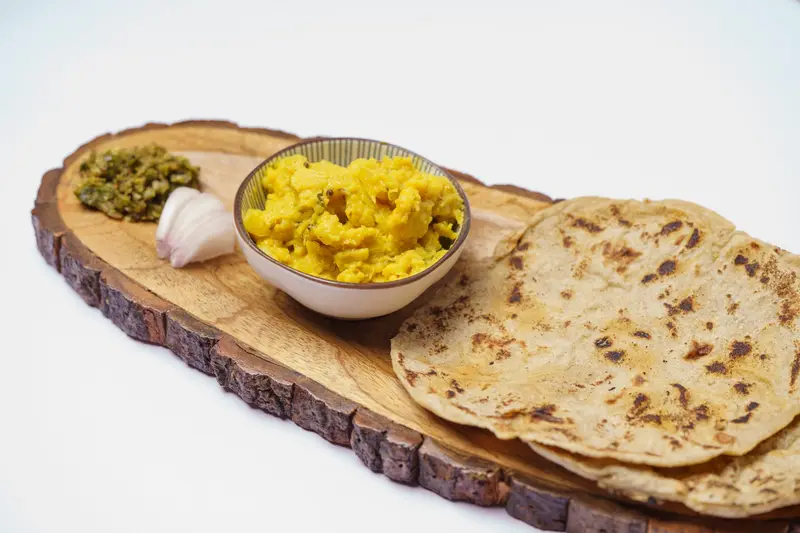
This sample day matches the NHS-based target for women. The calorie figures are approximate and change with portion size and the amount of oil used, so treat them as a guide.
| Meal | What to eat | Approx. calories |
|---|---|---|
| Breakfast (8:00 am) | 2-egg vegetable omelette cooked in 1 tsp oil, 1 small roti, tea without sugar | 300 |
| Mid-morning (11:00 am) | 1 medium apple or guava | 100 |
| Lunch (1:00 pm) | 1 cup cooked daal, 1 small roti, 1 cup sabzi cooked in 1 tsp oil, large salad | 400 |
| Afternoon (4:00 pm) | 1 small handful of roasted chickpeas (chana) | 100 |
| Dinner (7:30 pm) | 150 g grilled or lightly cooked chicken or fish, 1 small roti, 1 cup mixed vegetables, cucumber and tomato salad | 400 |
| After dinner (optional) | 1 cup low-fat plain yoghurt | 100 |
With the optional yoghurt the day comes to about 1,400 calories. Without it, about 1,300.
If you're starting from the 2,500-calorie average, aim for about 1,900. Add a second small roti at lunch and dinner, a second cup of daal and one extra piece of fruit. That's roughly 500 more calories, with the same structure.
A 7-day weight loss diet plan at a glance
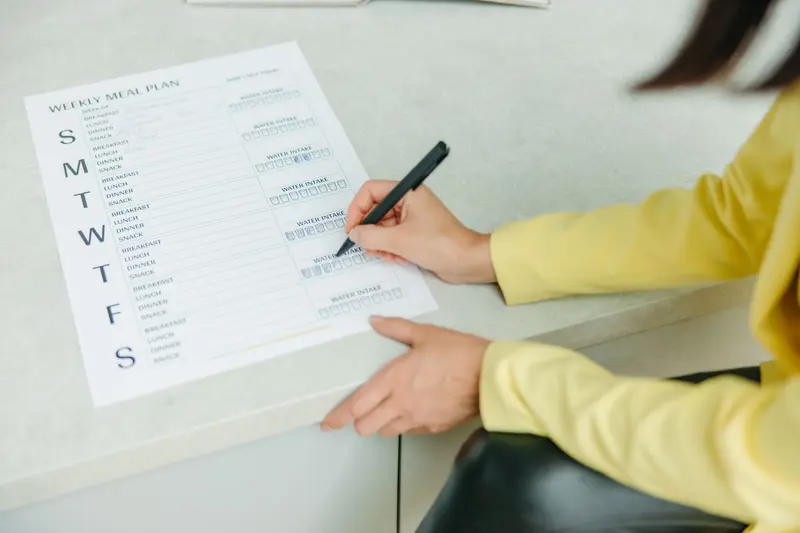
Use the sample day above as your template. Each row below keeps meals close to the same size, so the day stays near 1,400 calories. Add the same snacks every day.
| Day | Breakfast | Lunch | Dinner |
|---|---|---|---|
| Monday | Vegetable omelette, 1 small roti | Daal, 1 small roti, sabzi, salad | Grilled chicken, vegetables, salad |
| Tuesday | Dalia (broken wheat) cooked in low-fat milk, 1 banana | Chickpea curry, 1 small roti, salad | Grilled fish, sabzi, salad |
| Wednesday | 2 boiled eggs, 1 small roti | Mixed daal, 1 small roti, salad | Chicken and vegetable curry, 1 small roti |
| Thursday | 2 small besan chillas, plain yoghurt | Vegetable pulao (1 cup), raita, salad | Daal, sabzi, salad, 1 small roti |
| Friday | Vegetable omelette, 1 small roti | Chicken tikka (grilled), salad, 1 small roti | Chickpea curry, sabzi, salad |
| Saturday | Dalia with low-fat milk | Fish or chicken, sabzi, salad, 1 small roti | Daal, 1 small roti, salad |
| Sunday | 2 boiled eggs, 1 small roti | Small portion of biryani (1 cup), raita, salad | Vegetable soup, grilled chicken, salad |
Swap meals within a column whenever you like. Your favourite lunch is allowed to make a repeat appearance.
Weight loss diet plan for women: what to know
The 1,400-calorie target above already uses the NHS average for women, so you can follow the sample chart as it stands. A few things are worth knowing.
- If you're pregnant or breastfeeding, a weight loss diet needs your doctor's guidance first.
- If you have PCOS, speak to your doctor first about the approach that suits you.
- Don't cut below your target in a hurry. Eating far less than the plan is harder to sustain, and the CDC points to steady, gradual loss as the pattern more likely to last.
Desi and Indian diet chart for weight loss: foods that fit
Food is personal. It's the meals you grew up with, the recipes your family knows and the dishes that appear at celebrations. A weight loss chart that ignores them is missing an important part of your day. The good news is that everyday desi cooking works with a few small changes, in a Pakistani kitchen or an Indian one.
- Daal and sabzi are your base. Both are filling and easy to cook with less oil.
- Keep the roti, and keep it small. One small whole-wheat roti per meal.
- Grill, bake or shallow-cook. Tikka, kebabs and tandoori chicken are lighter than rich gravies.
- Add raita and salad. Plain yoghurt and raw vegetables fill the plate for few calories.
- Treat biryani as the main carbohydrate. Have a smaller portion with raita and salad, and skip the extra roti or rice alongside it.

Habits that make the plan easier
The CDC's advice on steps for losing weight is refreshingly practical, and it fits around a busy week.
- Focus on two or three goals at a time. More than that and most plans start to wobble.
- Expect setbacks. When one happens, get back to your plan at the next meal and think about what would help next time.
- Look after your sleep. Set regular bed and wake times, and avoid caffeine in the afternoon and evening.
- Reward progress without food. The CDC suggests things like a sports outing with friends or a relaxing bath.
You don't need a new Monday. The next meal is a perfectly good place to begin.
Common mistakes, and why they're easy to make
- Skipping meals. It makes a plan harder to follow, and this one doesn't need it.
- Cutting roti or rice completely. A plan is easier to keep when it includes foods you enjoy.
- Pouring oil by eye. A few extra spoonfuls can add up across a day.
- Drinking calories. Sweet chai, juice and fizzy drinks add calories without filling you up much.
- Detox teas and supplements. They aren't part of this plan.
- Expecting overnight results. The CDC advises goals you can reach in a realistic time.
When a diet plan isn't the right tool
Speak to your doctor or a registered dietitian before you start if any of these apply:
- You're pregnant or breastfeeding.
- You're under 18.
- You have diabetes, especially if you take medication, because a change in diet can affect blood sugar.
- You have kidney disease, heart disease or another long-term condition.
- You've had an eating disorder, or food and weight feel stressful.
- You've gained or lost weight without a clear reason.
A general diet plan isn't a substitute for medical care, so any advice from your doctor comes first. Tell us about it and we'll build your plan around it.
A good place to start
A chart is a starting point. The version that works is the one that fits your routine, your budget and the food your family actually cooks.
That's the thinking behind Diet on Demand. We've been around since 2016, we've served 2,470 clients, and we assess each customer first, so the plan is built around the person rather than the other way round. You can see what's included in our diet plans and how getting started works, or browse more guides in the Nutrition Journal. And if you'd like to gain weight instead, our diet plan for weight gain covers it.
Some days will go to plan. Others won't. What matters is having something practical to come back to.
A few things you might be wondering
Can you lose 5 pounds in a week?
It would be much quicker than the 1 to 2 pounds a week the CDC describes as steady. By the usual rule of thumb of 3,500 calories per pound, 5 pounds in a week would need a deficit of about 2,500 calories a day, far more than the 600 the NHS suggests, so it isn't a sensible goal.
How long does it take to lose 10 pounds?
By simple arithmetic, a 600-calorie daily deficit is about 1.2 pounds a week, which comes to around eight weeks. At the CDC's pace of 1 to 2 pounds a week it would be roughly five to ten weeks. These are estimates, not promises, because bodies vary.
Can I eat roti and still lose weight?
Yes. The sample chart includes a small roti at each main meal. Fill half your plate with vegetables, and pair the roti with daal or lean protein.
Can I eat biryani on a weight loss diet?
Yes, in a smaller portion. Treat it as the main carbohydrate for that meal, add raita and salad, and skip the extra roti or rice served alongside it.
How many calories should I eat a day to lose weight?
The NHS gives 2,000 calories for women and 2,500 for men as averages for maintaining weight, and suggests cutting around 600 a day to lose weight. That is about 1,400 for women and 1,900 for men, but your own target depends on your age, height and activity.
Is it safe to lose weight quickly?
A gradual pace is easier to keep up. The CDC says people who lose weight at about 1 to 2 pounds a week are more likely to keep it off, and advises against goals like 20 pounds in 2 weeks. If you have a medical reason to lose weight quickly, do it under a doctor's supervision.
Sources and further reading
- NHS: Calories and weight loss — daily calorie averages of 2,000 and 2,500, and a deficit of around 600 calories a day.
- CDC: Steps for Losing Weight — a steady pace of about 1 to 2 pounds a week, and why small goals work.
- WHO: Healthy diet fact sheet — 400 grams of fruit and vegetables a day, free sugars and salt limits.
- NHS: How to lose weight — the free 12-week NHS Weight Loss Plan app.
This article is general nutrition information, not medical advice. Calorie figures are approximate and vary with portion size and cooking oil. Speak to your doctor or a registered dietitian before changing your diet, especially if you are pregnant, breastfeeding, under 18, or managing a medical condition.