Established in 2016
A healthy diet plan that fits real life
A healthy diet plan should make everyday eating easier, not smaller. Diet on Demand is a UAE-based online diet-planning brand, established in 2016. We assess each customer first, and your plan is built around what we learn, including any advice from your doctor.
Eating well shouldn't feel like studying for an exam.
- Established
- 2016
- Clients served
- 2,470+
- Based in the Emirates
- UAE
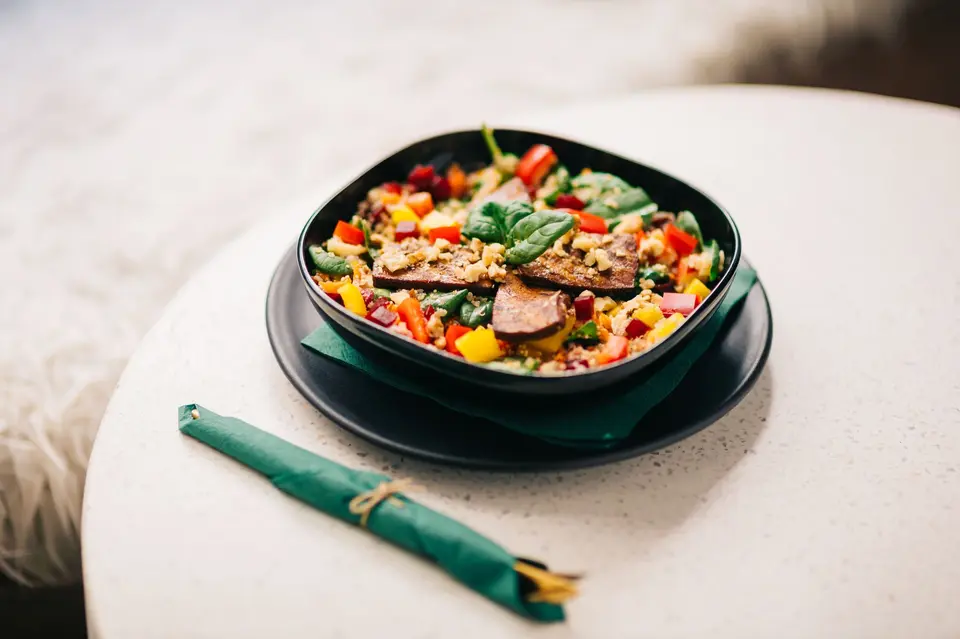
What makes a diet plan healthy?
Nutrition is individual, but some baselines are widely agreed. The WHO's healthy diet fact sheet suggests, for adults:
- At least 400 grams of fruit and vegetables a day (for everyone over 10 years of age)
- Free sugars below 10% of total daily energy intake
- Total fat at 30% or less of daily energy, with saturated fat below 10%
- Salt below 5 grams a day
These are general guidelines for the population. Your own needs depend on your age, activity, health and medication, which is why a plan that starts with you is more useful than a chart that doesn't.

Balanced doesn't have to mean complicated
Our view is that a complicated diet isn't automatically a better one. Your lunch doesn't need 14 ingredients to count as a balanced meal, and a simple dinner you'll actually make beats an elaborate recipe you won't.
A useful way to picture a balanced plate is half vegetables or salad, a quarter protein such as daal, chicken, fish, eggs or yoghurt, and a quarter roti or rice. It's a picture to start from, not a prescription.
A plan for a week that doesn't go to plan
Some people enjoy spending an hour on dinner. Others get home at nine and would rather not begin a second shift in the kitchen. Neither needs judging. They simply have different routines.
A healthy diet plan earns its place when it works on a busy Thursday as well as a quiet Sunday. Your favourite lunch is allowed to make a second appearance this week.
When a plan isn't enough
A general diet plan isn't medical care. If you're pregnant or breastfeeding, managing diabetes, kidney disease or another condition, have had an eating disorder, or are under 18, speak to your doctor or a registered dietitian first.
If you've been given dietary advice, it comes first, and we'll build your plan around it. Some people only need general guidance, and the WHO fact sheet above is free to read.
A good place to start, in a few simple steps.
Step 1
Tell us what you'd like to make easier
We assess each customer first, so the plan starts from your routine and goals.
Step 2
Get a plan built around you
It reflects what we learn, including any advice from your doctor.
Step 3
Use it on real days
Bring more structure to everyday meals, including the busy ones.
A few things you might be wondering
What is a healthy diet plan?
It's a plan that organises your meals around balanced eating: plenty of fruit and vegetables, sensible amounts of sugar, fat and salt, and food you can actually prepare. It should fit your routine as well as your nutrition needs.
How much fruit and vegetables should I eat?
The WHO says everyone older than 10 years of age should aim for at least 400 grams of fruit and vegetables a day. Individual needs can differ, so ask a doctor or registered dietitian if you have a medical condition.
How much sugar and salt is too much?
The WHO says free sugars should be less than 10% of daily energy intake and that adults should keep salt under 5 grams a day. Those are general limits, not personal targets.
Is a healthy diet plan the same as a weight loss plan?
No. A healthy diet plan is about balance and structure. A weight loss plan has a different goal. Some people want one, some want the other, and some want neither, which is why it helps to start with what you need.
Can a healthy diet plan include traditional foods?
Good nutrition guidance should understand the food people actually eat. Roti, rice, daal, vegetables and home cooking can all belong in a balanced approach. Portions and cooking methods matter, and we can't promise every dish suits every medical situation.
Is a healthy diet plan suitable if I have a medical condition?
Possibly, but speak to your doctor first. A general plan isn't a substitute for medical care. Tell us about any advice you've been given and we'll build your plan around it.
Ready to make meals a little easier?
You don't need to figure everything out at once. Find a plan that gives you a clearer place to begin.
Explore Diet PlansSources and further reading
- WHO: Healthy diet fact sheet — fruit and vegetable, sugar, fat and salt guidance for adults.
This page is general information, not medical advice. Dietary needs vary. If you have a medical condition, take medication that affects your nutritional needs, are pregnant or breastfeeding, or need a therapeutic diet, consult an appropriately qualified healthcare professional before making significant changes to your diet.